
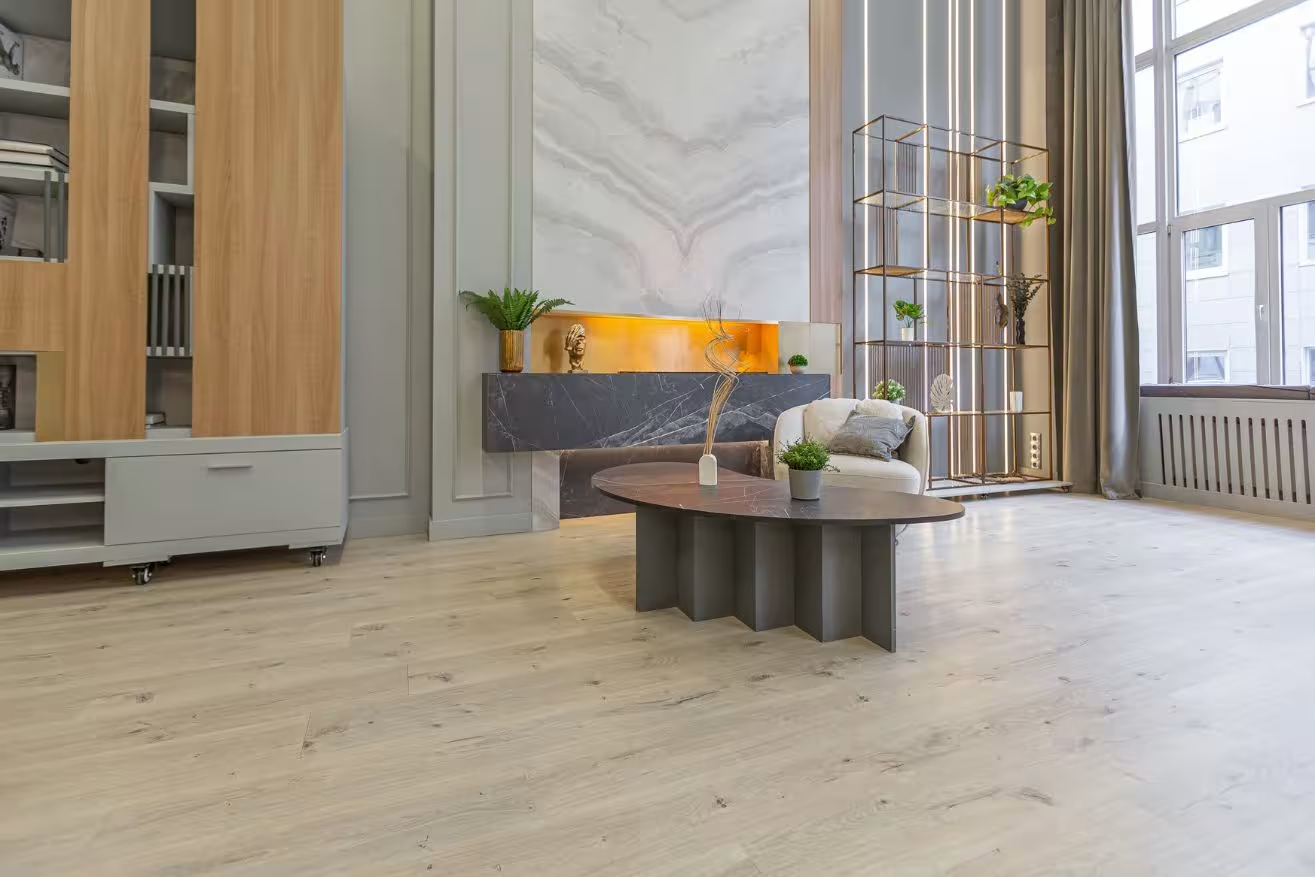
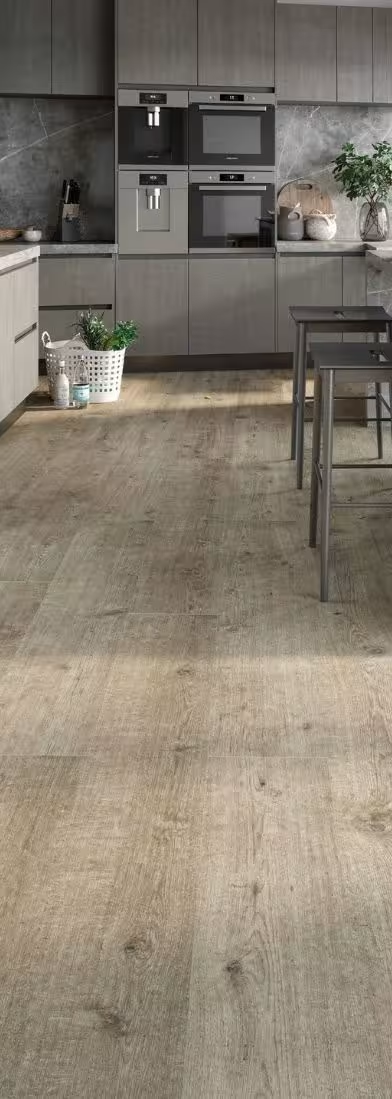
SPC Flooring Dubai — From AED 70/m² — 10% OFF Now
Stone Plastic Composite flooring that looks like real wood, is 100% waterproof, heat-stable to 60°C, and built to handle Dubai's extreme heat, sandy traffic, and UAE coastal humidity.
Upgrade your Dubai home, villa, office, or retail space with AC3-rated SPC flooring. 30-year durability, zero formaldehyde (E0/F4 certified), R10 slip-resistant, and installs over your existing tiles with no demolition. Expert SPC flooring installation across Dubai, Ajman, Sharjah, and Abu Dhabi — same week available.
floors in UAE
completed
SPC core
designs available
installation
UAE Climate Tested — dimensionally stable at 45–60°C and Gulf humidity levels · EN ISO 10382 Certified Rigid Flooring
What Is SPC Flooring?
Understanding what SPC flooring is made of — and why it outperforms laminate, traditional vinyl, and solid hardwood in Dubai's specific conditions.
SPC stands for Stone Plastic Composite — an advanced engineered flooring that combines limestone powder, PVC, and stabilising agents into an ultra-dense rigid core. The result is a flooring that is stronger and more dimensionally stable than laminate or standard luxury vinyl tile (LVT), yet far easier and faster to install than natural wood or large-format porcelain tile.
The defining difference from all competing flooring types is the rigid stone-reinforced core. Where laminate uses a wood-fibre HDF core that swells when wet and buckles in heat, SPC flooring's limestone-PVC composite does neither. It does not absorb water, it does not expand meaningfully in Dubai's 45–60°C summer temperatures, and it does not contract in the cooler months when air-conditioning runs continuously. This dimensional stability — proven to less than 0.10% change under EN ISO 23999 testing — is what makes SPC flooring the correct specification for the UAE climate.
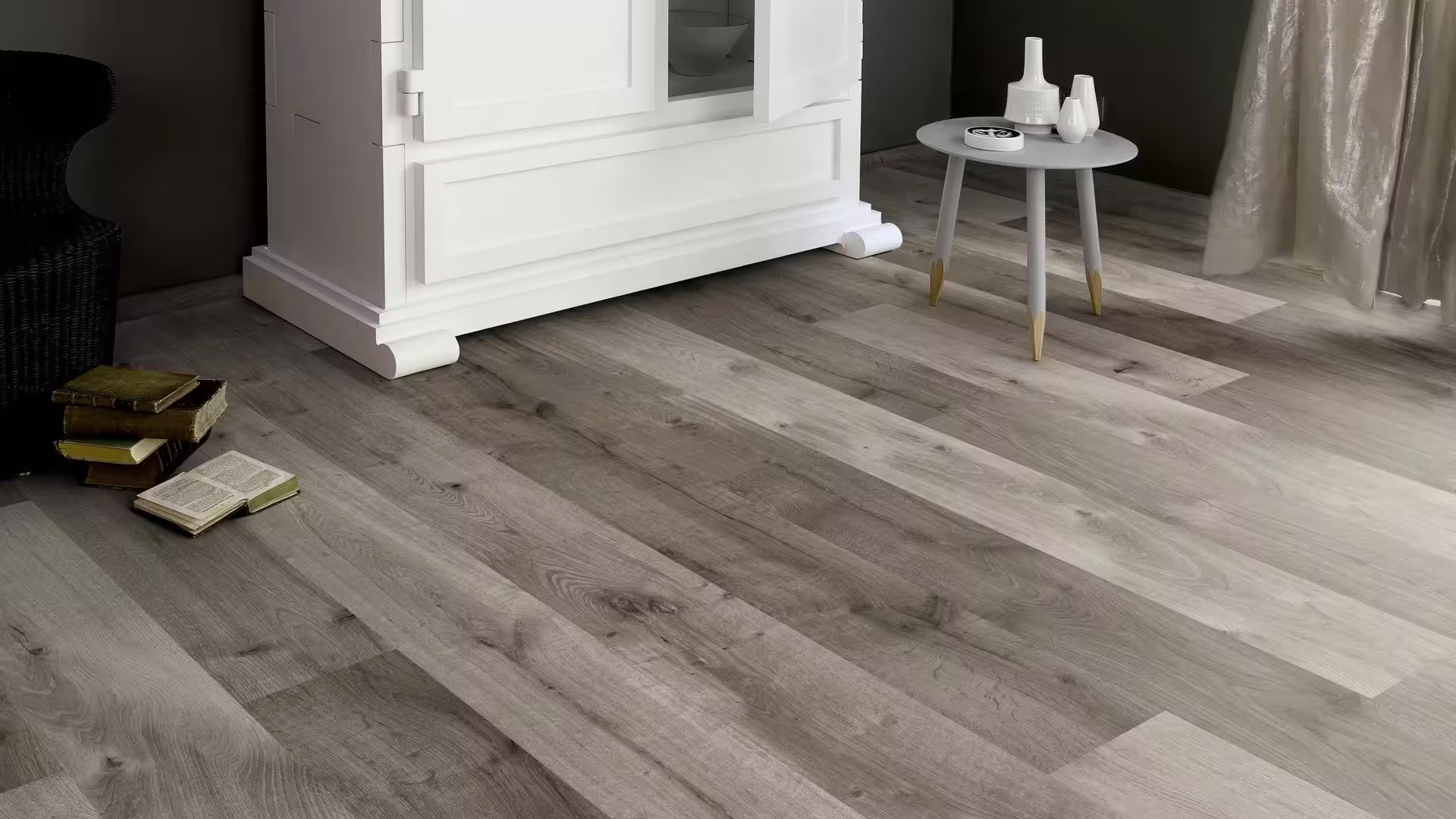
The printed design layer above the core uses high-definition digital printing to replicate premium oak, walnut, ash, limestone, and concrete finishes. The UV protective coating above the print layer prevents colour fading from the intense direct sunlight that floods Dubai homes through floor-to-ceiling windows — with light fastness rated ≥6 under EN ISO 103-B02.
- 100% waterproof — laminate and hardwood are not
- Zero swelling in UAE coastal humidity or kitchen spills
- Stable at 45–60°C — laminate warps, vinyl softens
- Click-lock installation over existing tiles — no demolition required
- Zero formaldehyde — E0 and F4 certified, safe for families and pets
- AC3-rated wear layer — handles Dubai's sandy daily foot traffic
- R10 slip resistance — safer in kitchens and wet areas
- ΔLw ≥ 19dB impact sound reduction — quieter in multi-storey towers
The 5 Layers of SPC Flooring
SPC Flooring Technical Specifications
| Product Type | Rigid SPC Flooring (EN ISO 10382) |
| Classification | Residential 23 / Commercial 32 |
| Plank Size | 1220mm × 180mm |
| Total Thickness | 4mm SPC core + 1mm EVA underlay (~5mm) |
| Wear Layer | 0.33–0.37mm (AC3 rated, EN 13329) |
| Surface Finish | Matt coating, Micro Beveling |
| Dimensional Stability | <0.10% (EN ISO 23999) |
| Reaction to Fire | Bf1-s1 (EN ISO 13301-1) |
| Slip Resistance | R10 / Class DS μ≥0.43 (EN 13893) |
| Impact Sound Reduction | ΔLw ≥ 19dB (ISO 140-8) |
| Scratch Resistance | ≥2300g (EN 13329) |
| Formaldehyde | Zero — E0 and F4 certified |
| Light Fastness | ≥6 (EN ISO 103-B02) |
| Locking Strength | ≥100N/30mm (EN ISO 24343) |
14 Years Fitting SPC Floors Across Dubai and UAE
Creative Vision Global has been supplying and installing SPC flooring for Dubai homes and businesses since 2010. Our installation teams have fitted SPC flooring in Dubai Marina apartments, Arabian Ranches villas, Business Bay offices, and JVC family homes — across every property type the UAE market offers.
UAE clients
projects completed
averaging 4.8/5
for site visits
We carry physical samples of every SPC flooring collection to your property during the free site visit — you see the actual flooring in your actual light conditions before committing to anything. Our installers are not sub-contractors: they are our own trained team who have fitted SPC flooring in Dubai's temperature extremes across hundreds of projects and understand exactly what the UAE climate demands of an installation.
What this means for you: when we recommend a specification for your Dubai property, it is based on 14 years of UAE SPC flooring installations — not a sales pitch. We are just as likely to tell you that the standard specification is sufficient for a bedroom as we are to recommend a heavier-duty option for a commercial kitchen floor.
Why SPC Flooring Is the Best Choice for Dubai Homes and Offices
Dubai's combination of extreme summer heat, consistent air-conditioning, coastal humidity, high-rise living, and sandy outdoor conditions makes specific demands of any flooring. SPC handles all of them without compromise.
100% Waterproof
SPC flooring's non-porous stone-composite core absorbs zero water. Completely safe for kitchens, bathrooms, laundry rooms, and covered balconies throughout Dubai and UAE.
Heat & Sun Resistant
Dubai summers reach 45–60°C. SPC's rigid limestone core does not expand, contract, or buckle in extreme heat or direct sunlight — unlike laminate which warps and vinyl which softens and dents.
Scratch & Sand Resistant
AC3-rated wear layer (0.33–0.37mm) with scratch resistance ≥2300g resists pet claws, moving furniture, and the abrasive desert sand tracked into UAE homes daily.
Click-Lock Over Existing Tiles
No glue, no nails, no drilling. SPC's click-lock floating system installs directly over existing sound ceramic tiles — saving the AED 1,500–3,000 tile removal cost common in Dubai renovations.
Acoustic Comfort
Pre-attached EVA underlay delivers ΔLw ≥ 19dB impact sound reduction — important in Dubai's multi-storey tower apartments where floor noise is a common neighbour complaint.
Fire Safety Rated
SPC flooring carries a Bf1-s1 fire reaction rating (EN ISO 13301-1) — meeting UAE building safety standards for residential and commercial interiors.
Minimal Maintenance
SPC's smooth non-porous surface repels dust, sand, and allergens. Sweep and damp-mop is the complete maintenance requirement — no polishing, waxing, or refinishing ever required.
Slip Resistant
R10 slip resistance rating (EN 13893), Class DS μ≥0.43 — safer in wet areas including Dubai kitchens and bathrooms than smooth porcelain tile alternatives.
SPC Flooring for Every Dubai Space
From Dubai Marina apartments to Business Bay offices, JVC family villas, and hotel hospitality suites — SPC flooring adapts to every space type and lifestyle across the UAE
Apartments & Villas
Ideal for living rooms, bedrooms, hallways, and staircases. Wood-look SPC flooring creates a warm, premium aesthetic without hardwood's maintenance demands or susceptibility to UAE's humidity swings.
Kitchens & Bathrooms
The 100% waterproof core and R10 non-slip surface make SPC the top choice for Dubai wet areas. Accidental flooding or steam from cooking causes zero damage — unlike laminate which swells and fails permanently.
Offices & Retail
SPC flooring rated Commercial 32 handles chair castors, trolleys, and continuous footfall. The correct flooring specification for Business Bay, DIFC, JLT, and Al Quoz commercial spaces in Dubai.
Hospitality & Healthcare
The hygienic, seamless SPC surface is ideal for Dubai hotels, serviced apartments, clinics, and dental practices. Chemical resistance confirmed: no damage under EN ISO 26987 — sanitisable without surface degradation.
SPC Flooring Projects in Dubai
A selection of completed SPC flooring installations across Dubai's residential and commercial property market
Dubai Marina — 2BR Apartment Renovation
Complete SPC flooring across 110 m² installed over existing ceramic tiles in a single day — saving the client AED 2,200 in tile removal costs and avoiding two additional days of disruption. Oak Natural finish throughout, AC3-rated wear layer.
Business Bay — Corporate Office Fit-Out
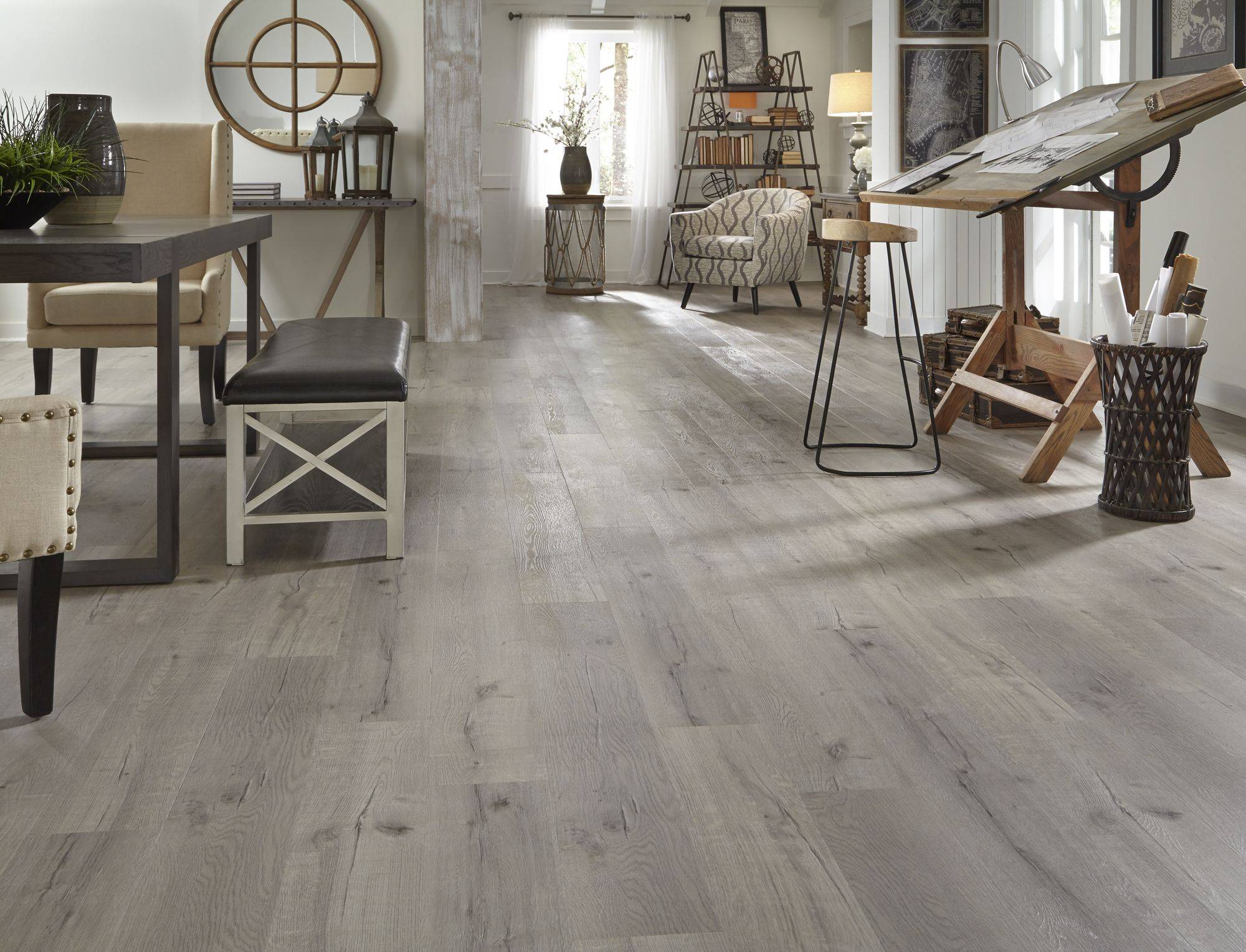
SPC flooring (Commercial 32 classification) across 340 m² open-plan office, installed over a single weekend to avoid disruption to the working week. Concrete Grey finish for heavy chair-castor and foot traffic.
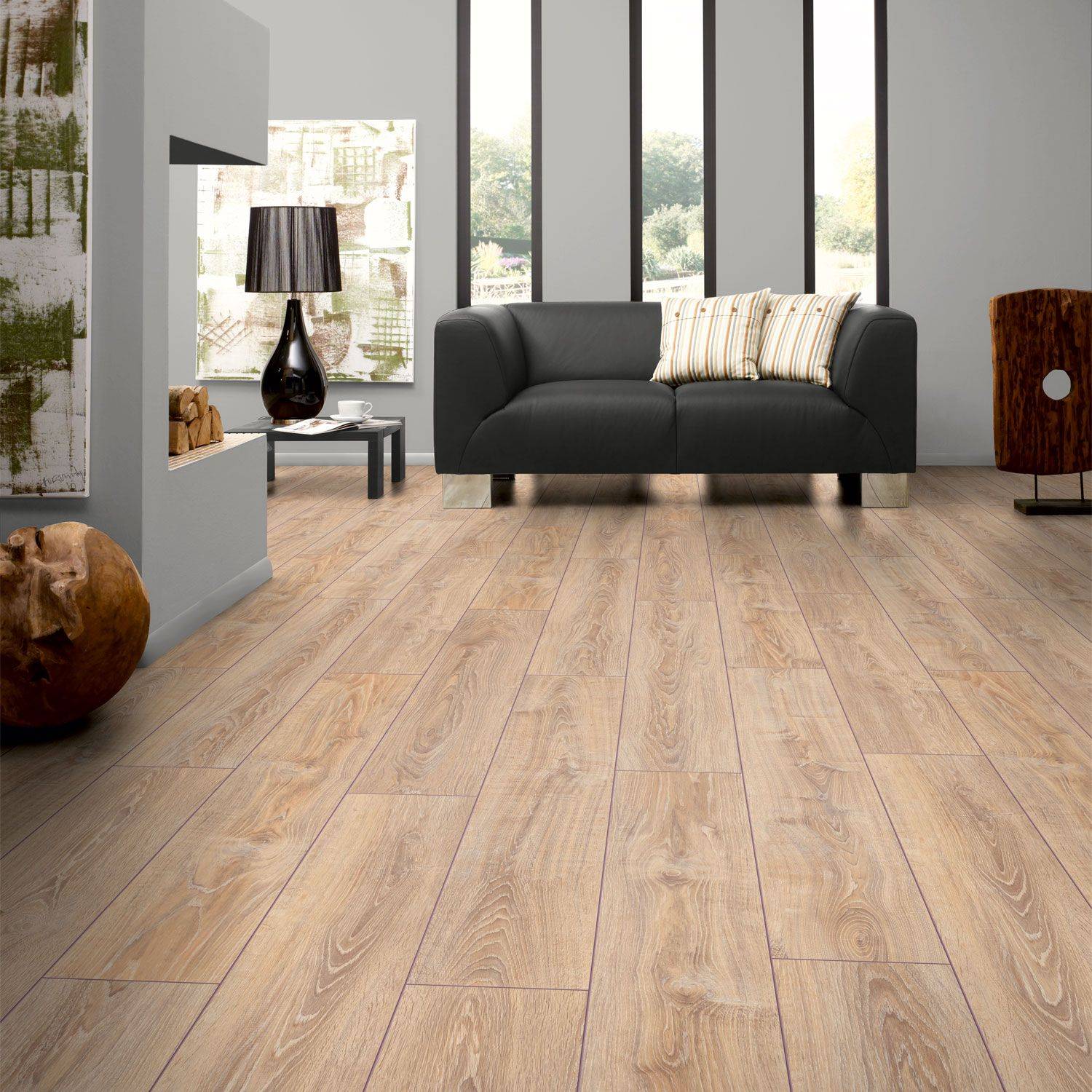
SPC Flooring Price in Dubai
Supply, underlay, and professional installation included. No hidden charges — free site visit for an accurate all-inclusive quotation.
- 4mm SPC rigid core — limestone-PVC composite
- 0.33–0.37mm wear layer — AC3 rated (EN 13329)
- 1mm EVA pre-attached underlay
- Plank size: 1220mm × 180mm
- Matt surface coating, micro-bevel edge
- Fire rating: Bf1-s1
- Slip resistance: R10 / Class DS μ≥0.43
- Zero formaldehyde — E0 & F4 certified
- Click-lock installation over existing tiles
- 20+ wood & stone design options
- Free site visit & measurement
- Same-week installation available
SPC vs Tiles, Laminate & Vinyl — Dubai Comparison
An honest comparison on every metric that matters for Dubai and UAE properties — from waterproofing and heat performance to price and installation speed
| Criteria | ⭐ SPC Flooring | Porcelain Tiles | Laminate | Traditional Vinyl |
|---|---|---|---|---|
| 100% Waterproof | ✓ Yes | ✓ Yes | ✗ No — swells | ✓ Yes |
| Heat Stable (Dubai 45–60°C) | ✓ Excellent | ✓ Good | ✗ Warps & gaps | ⚠ Softens & dents |
| Installs Over Existing Tiles | ✓ Yes — same day | ✗ Removal required | ⚠ Sometimes | ⚠ Sometimes |
| Comfort Underfoot | ✓ Warm & cushioned | ✗ Hard & cold | ✓ Good | ⚠ Soft (indents) |
| Sound Insulation (ΔLw) | ✓ ≥19dB EVA underlay | ✗ None | ⚠ Moderate | ⚠ Low |
| Slip Resistance | ✓ R10 rated | ⚠ Varies by tile | ⚠ Moderate | ✗ Poor |
| Fire Rating | ✓ Bf1-s1 certified | ✓ Non-combustible | ⚠ Standard | ⚠ Standard |
| UAE Installation Time | ✓ 1–2 days | ✗ 3–5 days + curing | ✓ 1–2 days | ✓ 1 day |
| Price Dubai (supply + install) | From AED 70/m² | AED 120–400/m² | AED 60–130/m² | AED 50–100/m² |
| Expected Lifespan UAE | 30 years | 20–30+ years | 5–12 years* | 5–12 years |
Dubai verdict: SPC flooring delivers the best overall balance for UAE properties — waterproof performance, heat stability, fast installation over existing tiles, fire-rated (Bf1-s1), and competitively priced. Porcelain is more durable but far more expensive and disruptive to install. Laminate fails in UAE humidity. *Laminate lifespan is significantly shorter in Dubai's humidity-variable conditions.
SPC Flooring Designs & Colours — Dubai Collection
From warm European oak to cool Nordic greys, natural stone textures, and contemporary concrete finishes — all in AC3-rated SPC flooring, curated for Dubai's modern villa and apartment interiors

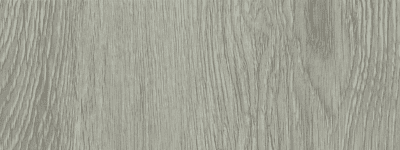



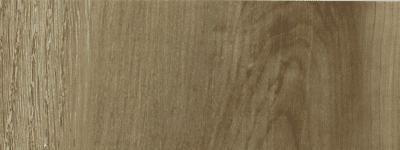
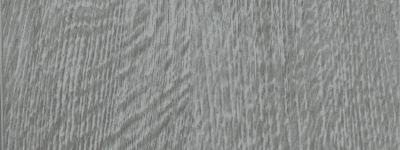
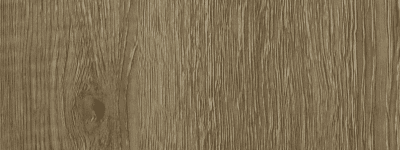




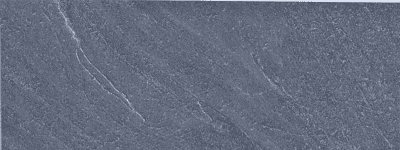
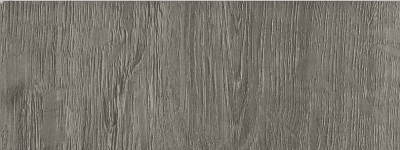
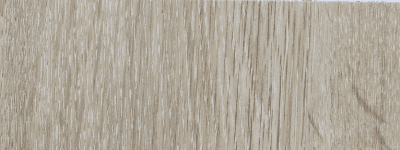
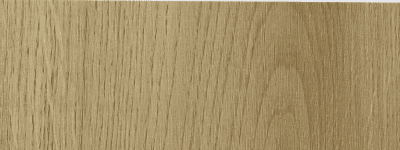
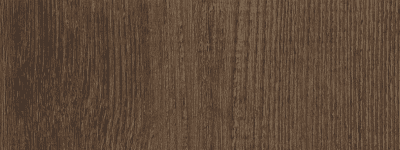

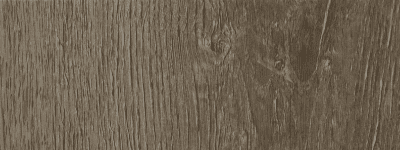

Can't decide from photos alone? We bring physical SPC flooring samples to your Dubai property at no charge.
SPC Flooring Installation in Dubai — Step by Step
From free site visit to final handover — our experienced Dubai SPC flooring installation team manages every detail. No subcontractors; our own trained staff on every project.
Free Site Visit
We visit your Dubai property with physical SPC flooring samples at no charge. Measure accurately, assess the subfloor, and provide a clear itemised quote within 24 hours. No obligation to proceed.
Subfloor Assessment
Existing tile or screed condition checked, moisture levels assessed, surface flatness measured to within 3mm per 2m — the standard for a properly installed floating SPC floor.
Surface Preparation
Subfloor cleaned, levelled where required, and confirmed stable. Any loose or hollow existing tiles are secured before SPC flooring installation begins.
SPC Click-Lock Installation
Planks laid with correct 3–7mm expansion gaps — essential in Dubai where indoor temperatures swing between 18°C air-conditioned and 35°C+ when uncooled. Proper gap management prevents buckling over time.
Skirting & Finishing
All expansion gaps covered with matching skirting boards. Door trims, thresholds, and transition profiles fitted neatly between rooms and adjoining floor types.
Handover & Documentation
Full walk-through of the completed installation. Product documentation provided on the day. SPC flooring is ready to use immediately — no curing or drying period required.
SPC Flooring Care & Maintenance in Dubai
One of SPC flooring's most significant advantages in Dubai is its near-zero maintenance requirement — particularly important in UAE's dust-heavy environment
Daily Sweep or Vacuum
Use a soft broom, dust mop, or vacuum on hard floor setting. Removes desert sand and dust before abrasive particles can scratch the AC3 wear layer surface.
Weekly Damp Mop
Damp mop with a pH-neutral floor cleaner. SPC flooring's 100% waterproof core handles water confidently — avoid prolonged pooling at perimeter joints over extended periods.
Felt Pads Under Furniture
Attach felt pads to all chair and table legs. Prevents surface scratching from dragging — essential in villas and family apartments with daily furniture movement.
Entry Mats at All Doors
Place quality doormats at all entrance points to capture sand and grit before it reaches your SPC flooring — the single most effective long-term surface protection measure.
Individual Plank Replacement
Deeper damage? SPC flooring's click-lock floating system allows individual plank replacement without disturbing the entire floor — a significant maintenance advantage over glued or grouted alternatives.
Dubai Sandstorm Period
Increase sweep frequency during UAE sandstorm seasons. AC condensation drips cause no damage to SPC flooring — wipe promptly to avoid mineral deposits on the surface.
🚫 What to Avoid with SPC Flooring
The Complete Guide to SPC Flooring in Dubai
SPC flooring has become the dominant residential flooring choice in Dubai's apartment and villa market over the past several years — and the reasons are straightforward. The UAE's combination of extreme summer heat, continuous air-conditioning, coastal humidity, and sandy outdoor conditions creates a set of flooring requirements that eliminates most traditional options from serious consideration. Solid hardwood expands and contracts in the humidity swings between summer and winter, and between air-conditioned and uncooled spaces. Laminate swells and delaminates in kitchen and bathroom moisture. Standard LVT softens and indents under furniture weight in direct sun. SPC flooring's stone-reinforced core does none of these things — and that is why it has become the go-to specification for Dubai renovations.
SPC Flooring for Dubai Apartments — What You Need to Know
The majority of SPC flooring installations in Dubai are in apartments — the JVC townhouses, the Dubai Marina studios, the Business Bay one-bedrooms, and the JLT family apartments that make up a large part of the city's residential market. Our SPC flooring specification — a 4mm rigid core with 0.33–0.37mm AC3-rated wear layer and 1mm EVA pre-attached underlay — is well suited to standard Dubai apartment use. It provides solid acoustic performance (ΔLw ≥ 19dB), the hardness to withstand daily residential traffic, and the dimensional stability needed for the temperature swings that Dubai apartments experience across the year. Installation over existing ceramic tiles in a standard 80 m² apartment typically completes in a single working day — with no demolition, no dust, and minimal disruption. See also our window blinds Dubai range for complete interior solutions.
Waterproof Flooring Dubai — SPC vs the Alternatives
The search for waterproof flooring in Dubai brings most homeowners to three candidates: porcelain tile, sheet vinyl, and SPC flooring. Porcelain is waterproof and extremely durable, but it is cold underfoot, hard on joints when standing for long periods, requires skilled installation with grout lines, and costs significantly more to supply and install than SPC. Sheet vinyl is waterproof and inexpensive, but lacks the rigidity to handle furniture point loads in Dubai's summer temperatures. SPC flooring combines the waterproof performance of both with the warmth and comfort of a cushioned floating floor, at a price point that sits comfortably below porcelain and is competitive with standard sheet vinyl.
SPC Flooring Price Dubai — Understanding the Cost
The SPC flooring price in Dubai from Creative Vision Global starts at AED 70 per square metre — supply, 1mm EVA underlay, and professional installation all included. There are no separate labour charges added to a materials price. For a typical 100 m² Dubai apartment, the total all-inclusive cost for SPC flooring runs AED 7,000 or above — compared to AED 12,000–40,000 for an equivalent porcelain tile job including demolition of existing tiles. This month we are offering 10% off all SPC flooring installations — call or WhatsApp to book your free site visit and lock in the discounted rate.
SPC Flooring for Dubai Villas — Arabian Ranches, Emirates Hills & Beyond
Dubai's villa communities — Arabian Ranches, Emirates Hills, Jumeirah Golf Estates, Dubai Hills Estate, DAMAC Hills, and Mirdif — present a different SPC flooring brief than high-rise apartments. Larger floor areas, multiple levels connected by staircases, significant outdoor-to-indoor transition areas bringing sand and grit from gardens, and the premium aesthetic expectations of villa living all shape the specification. Our SPC flooring with its AC3 wear rating is the correct specification for residential use class 23 — meeting the EN ISO 10382 standard for the traffic levels typical in Dubai villa living. Motorized curtains and roller blinds from our window treatment range complement SPC flooring installations in villas, providing the complete interior package from a single supplier.
Commercial SPC Flooring Dubai — Offices, Retail & Hospitality
Commercial SPC flooring in Dubai benefits from the same core product — 4mm rigid stone-composite core, zero formaldehyde, Bf1-s1 fire-rated — but the application demands more attention to preparation and installation. Our SPC flooring is classified Commercial 32 under EN ISO 10382, making it appropriate for moderate commercial environments including offices, boutique retail, clinics, and hospitality spaces. The click-lock over existing floors methodology remains available for commercial fit-outs, making SPC flooring a fast-to-install option for Dubai offices and retail spaces that need to minimise downtime. For very heavy commercial use (warehouses, high-footfall retail), we recommend discussing your specific requirements during the free site visit.
SPC Flooring Installation — All Dubai Areas & UAE
Creative Vision Global supplies and professionally installs SPC flooring across all UAE emirates — same professional standard and pricing regardless of location
📍 Dubai
- Dubai Marina & JBR
- JVC & JLT
- Business Bay & DIFC
- Downtown Dubai
- Dubai Hills Estate
- Arabian Ranches
- Jumeirah & Umm Suqeim
- Al Barsha & Al Quoz
- Palm Jumeirah
- Mirdif & Silicon Oasis
📍 Ajman & Sharjah
- Ajman Corniche
- Al Rashidiya & Al Nuaimiya
- Sharjah City Centre
- Al Nahda Sharjah
- Muwaileh & Al Majaz
- Sharjah Industrial
📍 Abu Dhabi
- Al Reem Island
- Saadiyat & Yas Island
- Khalifa City
- Al Mushrif & Corniche
- Mohammed Bin Zayed City
- Al Raha Beach
📍 Other Emirates
- Ras Al Khaimah
- Fujairah
- Umm Al Quwain
- Al Ain
- Commercial UAE-wide
Not sure if we cover your area? WhatsApp us — we serve clients across all seven UAE emirates.
What Dubai Clients Say About Our SPC Flooring
4.8/5 from 248 verified reviews — residential homeowners and commercial clients across Dubai and UAE
"These people are punctual and professional, and their price is very reasonable compared to other companies. My SPC flooring looks great and I am very satisfied. Thanks to Allam who installed it, and to Zahed the salesperson who helped me choose the design and followed up throughout."
"Great company — Jowaher was fantastic to work with. Made sure the consultation and delivery were done quickly. I needed SPC flooring across my entire villa and it looks amazing. Makes my home look so much better. Really happy with the quality and they were thorough right to the end. Would definitely recommend."
"We had our office SPC flooring replaced over a weekend — 260 m². The team arrived on time both days, worked efficiently, and left the space completely clean. Monday morning the office looked brand new. Very impressed with the professionalism and the quality of the product. Will use again for our second location."
SPC Flooring Dubai — Frequently Asked Questions
Answers to the most common questions from Dubai homeowners and commercial clients considering SPC flooring
Get Your Free SPC Flooring Site Visit Today
Our SPC flooring specialist visits your Dubai home or office with physical samples across all 20+ designs, measures every room, and provides a complete all-inclusive quotation — supply and installation, no hidden charges. Book this month to secure your 10% discount.
💧 100% Waterproof · 🌡️ Heat-Stable to 60°C · 🔥 Fire-Rated Bf1-s1 · 🛡️ AC3 Certified · All Dubai & UAE